
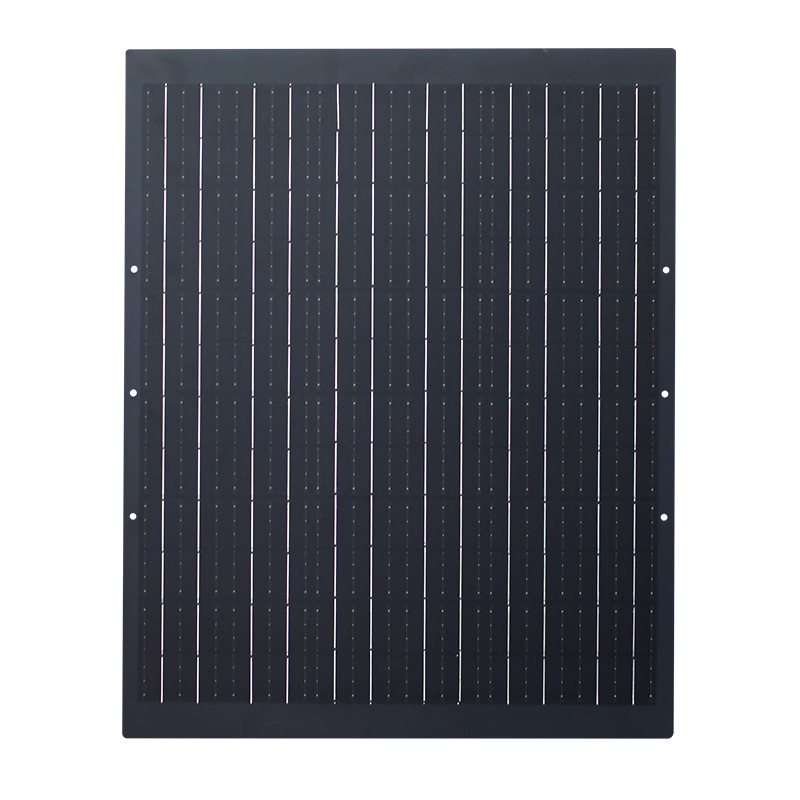
In recent years, advancements in solar energy technology have been accelerating at a remarkable pace, offering new solutions to meet the growing demand for clean and sustainable power. One of the latest innovations gaining traction is the development of curved solar panels, which promise enhanced versatility and aesthetic integration for a wide range of applications. This technology represents a significant leap forward, addressing some of the limitations of traditional flat solar panels and opening doors to novel uses in various industries.
The curved solar panels, designed and manufactured by a leading Chinese company established in March 2009, embody years of dedicated research and development in solar module technology. This enterprise stands out as one of the pioneers in China’s solar cell application products sector. With a strong focus on innovation, the company has evolved its product line to include cutting-edge solar modules that adapt seamlessly to different surfaces and architectural demands.
### The Advantages of Curved Solar Panels
Traditional solar panels, while highly effective, are typically flat and rigid, which can constrain their installation options. Curved solar panels introduce a flexible design that allows solar energy systems to be installed on non-flat surfaces such as vehicle roofs, curved building facades, maritime vessels, and even wearable devices. This adaptability expands the potential reach of solar power to environments that were previously challenging or impossible for conventional panels to accommodate.
Moreover, curved solar panels can contribute to better aesthetics in architectural applications. Modern building designs often feature curved and irregular shapes that can clash with the boxy look of flat solar arrays. By conforming to curved surfaces, these solar panels maintain the integrity of the design while still delivering clean energy. This integration can boost the acceptance and adoption of solar technologies in urban centers where visual impact is a critical concern.
Another significant benefit of curved solar panels is their potential to capture sunlight more efficiently during the day. Depending on their orientation and curvature, they can better track the sun’s path without the need for mechanical movement, improving energy yield compared to some flat-panel installations. This passive solar tracking capability reduces maintenance requirements and increases the stability of energy output, making curved solar panels a practical and cost-effective choice for sustainable projects.
### Company Profile and Technological Leadership
Since its inception in March 2009, the company has been at the forefront of solar energy innovation in China. With over a decade of experience, it has focused on the research and development, production, and sales of solar modules, securing a leading position in the solar industry. Early investments in solar cell application products allowed the company to build expertise and technological capabilities that continue to drive its product excellence.
The company’s commitment to innovation is evident in its rigorous R&D programs that explore new materials, panel designs, and manufacturing techniques. This strategic focus has enabled the development of the curved solar panel line, which integrates advanced photovoltaic technology with novel flexible substrates. The result is a robust, high-performance product that meets strict quality standards and solar energy regulations globally.
By maintaining control over the entire production process, from raw material sourcing to module assembly and final testing, the company ensures consistency, reliability, and superior product performance. It also supports customized solutions to meet the unique requirements of different customers, offering a tailored approach to solar energy deployment.
### Industry Impact and Market Prospects
The introduction of curved solar panels aligns well with global trends toward sustainable development and renewable energy adoption. As governments and corporations pledge to reduce carbon emissions and embrace green technologies, innovative solar solutions like these are poised to play a critical role in achieving energy transition goals.
Market analysts predict substantial growth in the demand for curved solar panels across various sectors, including transportation, architecture, marine, and consumer electronics. The unique characteristics of these panels unlock new business opportunities and partnerships, encouraging further investment and collaboration in the solar technology ecosystem.
Furthermore, the company’s early entry into the solar cell applications field in China provides a competitive edge in scaling production and meeting international market requirements. Their ability to combine technical innovation with manufacturing efficiency positions them as a trusted supplier and thought leader in renewable energy solutions.
### Future Outlook
Looking ahead, the company plans to continue expanding its product portfolio and enhancing the performance of curved solar panels through ongoing research. Innovations such as improved efficiency cells, integrated energy storage solutions, and smart monitoring systems are on the horizon, promising smarter and more resilient solar energy systems.
This technology not only supports environmental sustainability but also promotes energy accessibility in remote and challenging environments. By enabling solar power deployment on unconventional surfaces and devices, curved solar panels pave the way toward a more flexible and decentralized energy future.
### Conclusion
The development of curved solar panels marks a transformative step in the solar energy industry, driven by a company with a solid foundation in research, development, and manufacturing expertise since 2009. These innovative panels offer versatile, aesthetically pleasing, and more efficient options for harnessing solar power across diverse applications.
As the world accelerates its shift toward renewable energy, curved solar panels stand out as a promising technology that bridges the gap between functional energy solutions and modern design demands. With continued innovation and strategic expansion, this technology is set to play an integral role in shaping the future landscape of solar energy worldwide.