
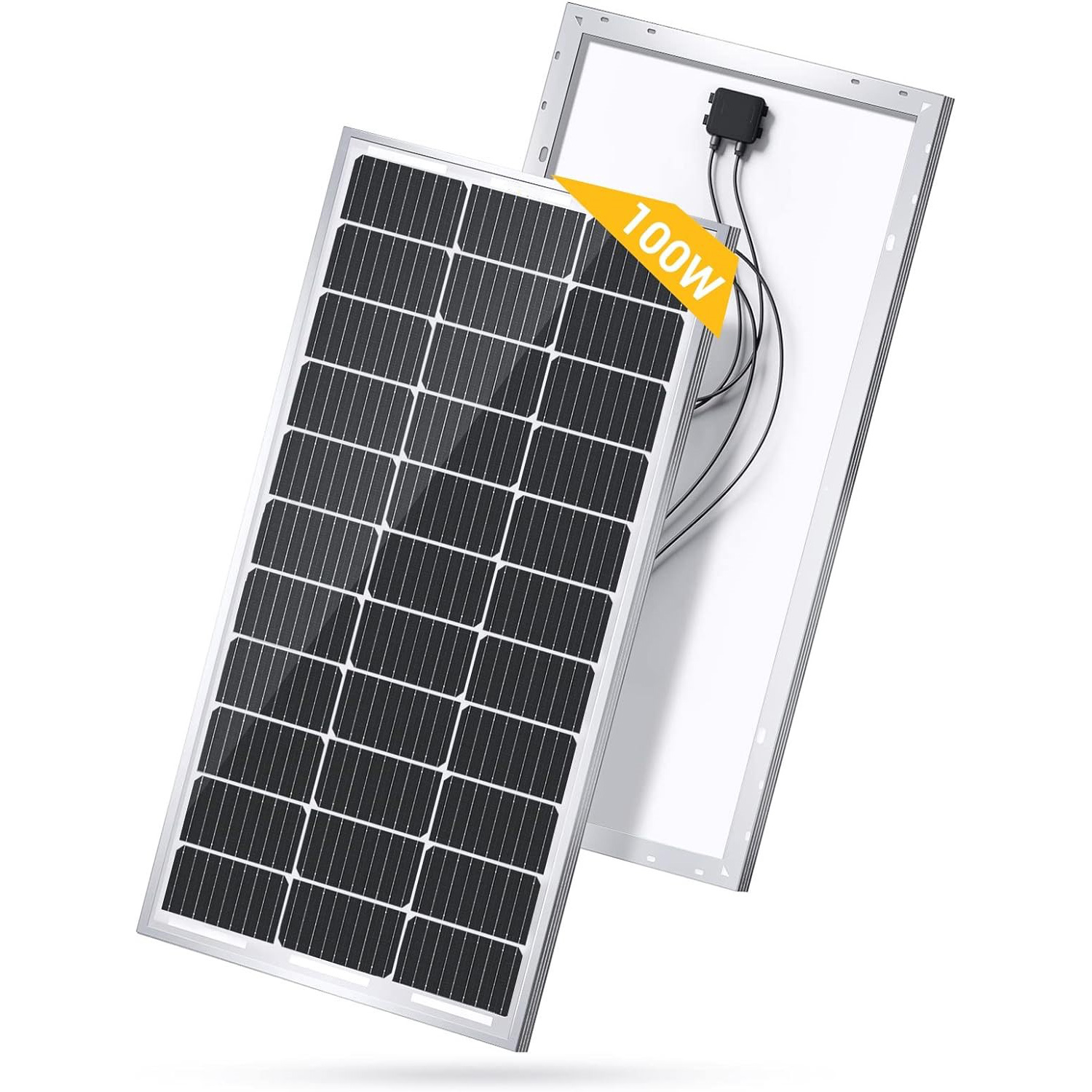
In an exciting development within the renewable energy sector, cutting-edge walkable solar panels are paving the way for more versatile and sustainable solar power applications. This breakthrough technology, which integrates solar cells into durable surfaces capable of supporting foot traffic, promises to revolutionize how solar energy is harvested and utilized in urban environments.
Founded in March 2009, Deyangpu has been at the forefront of solar innovation in China. Specializing in the research, development, production, and sales of advanced solar modules, the company boasts a rich history as one of the earliest enterprises to invest in solar cell application products. Leveraging over a decade of experience, Deyangpu is playing a pivotal role in bringing walkable solar panel technology to market, aligning with global trends toward sustainability and green energy solutions.
### The Rise of Walkable Solar Panels
Traditional solar panels are primarily designed for rooftops or open fields, limiting their deployment in densely populated urban areas where space is at a premium. Walkable solar panels address this challenge by allowing solar technology to be embedded into paths, sidewalks, plazas, parking lots, and other pedestrian-accessible surfaces. This innovation transforms everyday walkways into clean energy generators without compromising safety or aesthetics.
These panels are engineered to withstand the mechanical stresses exerted by foot traffic, bicycles, and even light vehicles. Their robustness and high-transparency surface materials ensure both durability and maximum efficiency in capturing sunlight. Integrating these panels into public spaces not only enhances the renewable energy capacity of a city but also raises public awareness of sustainable practices.
### How Deyangpu Is Leading the Way
As a pioneer in solar cell applications, Deyangpu’s commitment to innovation and quality is evident in its walkable solar panel solutions. The company’s research and development teams have focused on overcoming technical challenges associated with embedding solar cells into load-bearing surfaces. These include ensuring adequate waterproofing, impact resistance, anti-slip properties, and optimal energy conversion efficiency under real-world conditions.
By collaborating with urban planners, architects, and local governments, Deyangpu has helped pilot several projects showcasing the practicality and benefits of walkable solar panel installations. These projects demonstrate the technology’s ability to integrate seamlessly into existing infrastructure while generating clean energy that contributes to the grid or powers local facilities.
### Benefits Beyond Energy Generation
Walkable solar panels offer several advantages that extend beyond mere electricity production. Their installation can reduce urban heat island effects by replacing traditional pavement materials with surfaces that have different thermal properties. Furthermore, embedding solar power generation into pedestrian zones minimizes the visual impact often associated with large, conventional solar farms, preserving the aesthetic appeal of urban landscapes.
Additionally, these solar pathways foster community engagement with renewable energy. As citizens walk over panels that visibly generate power, awareness and acceptance of solar technology increase. Educational programs often accompany such installations, helping to cultivate a culture of sustainability among residents and visitors alike.
### Supporting China’s Renewable Energy Goals
China has set ambitious targets to increase its renewable energy capacity and reduce carbon emissions over the coming decades. Innovative solar technologies like walkable solar panels align perfectly with these objectives by expanding the potential surfaces available for solar energy harvesting, especially in crowded cities.
Deyangpu’s early investment in solar cell applications places it in a strong position to contribute significantly to China’s clean energy transition. By continuously improving the performance and reliability of walkable solar panels, Deyangpu not only supports national policy goals but also helps set new industry standards.
### Future Outlook
The integration of walkable solar panels into urban environments is expected to grow rapidly as governments and private sectors seek multi-functional solutions that maximize the utility of public spaces. Advances in materials science, energy storage, and smart grid technology will further enhance the capabilities and appeal of these solar installations.
Deyangpu continues to drive innovation by focusing on scalable manufacturing processes and cost efficiencies, making walkable solar panels more accessible worldwide. Looking ahead, there are plans to expand application scenarios beyond pedestrian walkways into areas like playgrounds, sports courts, and even light traffic roads, broadening the impact of this green technology.
### Conclusion
Walkable solar panels represent a promising frontier in solar energy technology, combining functionality, sustainability, and urban integration. With over a decade of expertise since its establishment in 2009, Deyangpu stands as a key player advancing this innovative solution. As cities seek smarter ways to meet energy demands while reducing environmental footprints, walkable solar panels offer a practical and inspiring path forward in the global pursuit of clean energy.